BRASÍLIA — Early in his presidential campaign, Jair Bolsonaro took to the floor of Congress to angrily denounce what he called a “crime against the nation.”
He warned that China was acquiring too much control over Brazil’s niobium, an obscure but valuable mineral that can be added to steel to make it lighter and more resistant. Brazil has more than 85 percent of world reserves, and Bolsonaro said that if properly harnessed it could make “us one of the most prosperous nations in the world … We can’t let China come in here and buy up land, buy niobium, as if it were just another mineral! No!” he thundered, standing in front of a Brazilian flag. “That’s like giving the Chinese billions of dollars!”
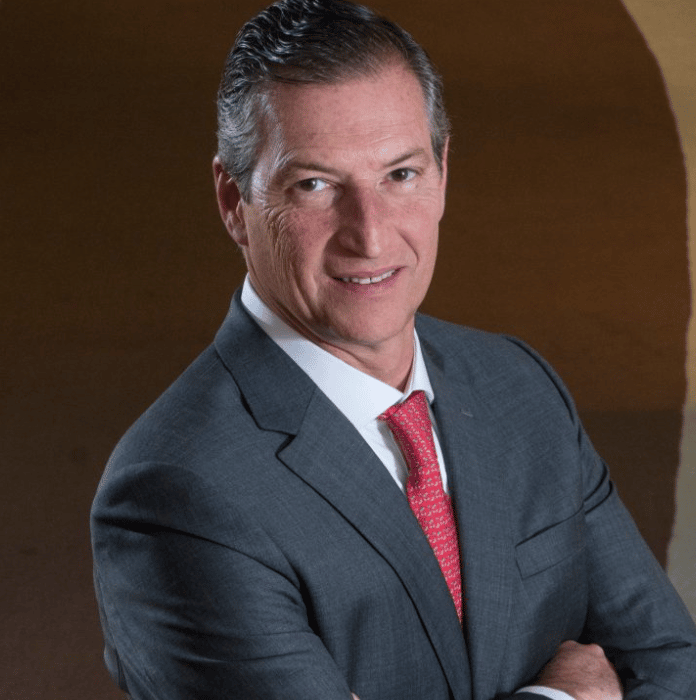
But now as president, Bolsonaro is discovering just how difficult it is to separate niobium and other commodities from China’s tight embrace. The company that accounts for most of Brazil’s niobium production, Companhia Brasileira de Metalurgia e Mineração (CBMM), depends on exports to international steel companies. “China accounts for more than (half) of world steel production and we couldn’t be outside this main market,” Eduardo Ribeiro, the company’s chief executive, told AQ in an interview. Although Brazil’s Moreira Salles family owns a controlling interest in CBMM, five Chinese steel companies — Bao Steel, CITIC, Anshan Iron & Steel, Shougang and Taiyuan Iron & Steel — acquired a 15 percent stake in 2011. Bolsonaro vehemently criticized that deal as well. But in practice it has benefited all parties, helping the Chinese guarantee future supplies while allowing CBMM to shape future applications of niobium-based steel alloys in sectors such as construction, motors and oil and gas. Ribeiro described the deal, which saw Japanese and Korean steel groups buy another 15 percent of CBMM’s shares, as “strategic.”